






Maintenance of Automated Welding Production Lines:
Automated production lines have greatly saved production time and operational costs. In industrially developed regions, the maintenance of automated production lines has become a key focus. The maintenance of such automated lines is mainly completed jointly by production operators and maintenance technicians.
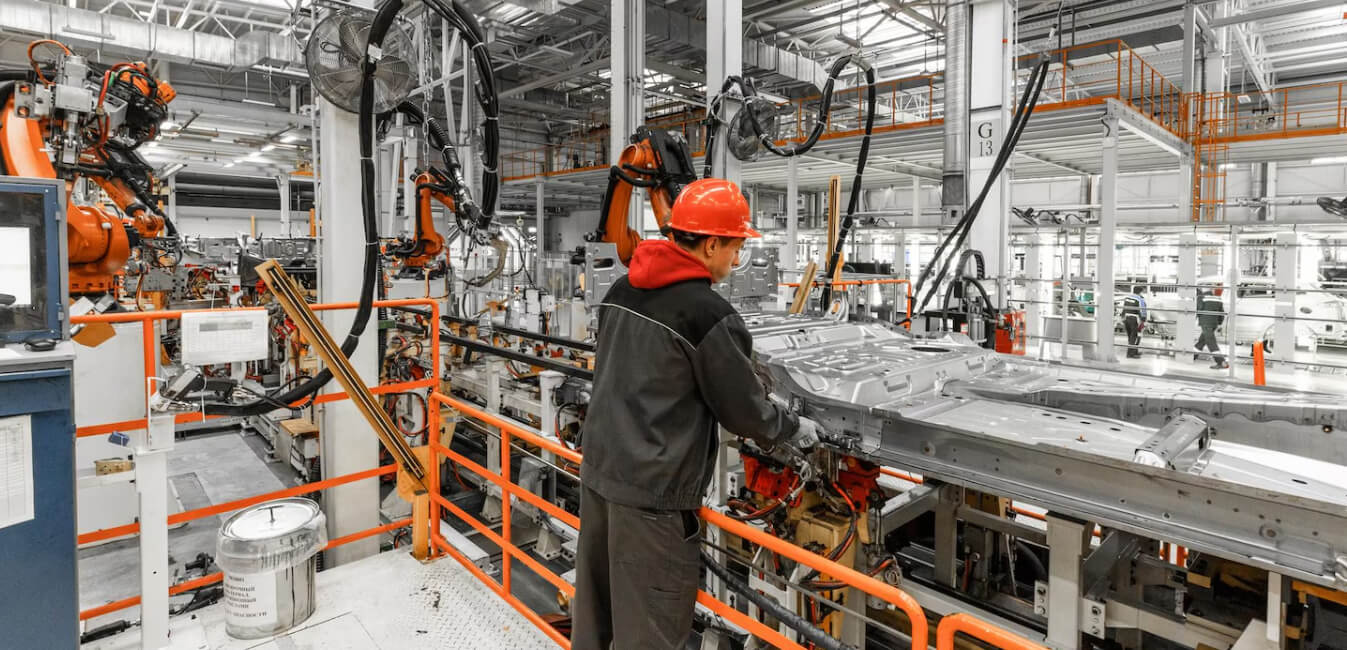
Two Major Maintenance Methods for Automated Production Lines:
1. Synchronous Maintenance Method: During normal production shifts, if minor equipment faults are detected, temporary maintenance shall be avoided as much as possible, and temporary retention measures shall be adopted to keep the production line running continuously until holidays. Maintenance technicians and operators will be gathered to fix all detected problems at the same time during the holiday period, ensuring the entire production line can resume normal operation on Monday.
2. Sectional Maintenance Method: This method is applied when the automated production line has major faults that require long repair time and the synchronous maintenance method is not applicable. In this case, maintenance technicians and operators are organized to maintain and repair one section of the production line during holidays, and another section will be handled in the next holiday. This ensures that the automated production line will not stop production during working days. In addition, a preventive maintenance system should be adopted as much as possible in equipment management. Install timers on equipment to record the operating hours, apply equipment wear rules to predict the wear status of vulnerable parts, and replace such parts in advance. This can eliminate potential faults in advance and guarantee the full-load production of the production line.
Care of Automated Welding Production Lines:
Inspect and clean the circuit system, air circuit system, oil circuit system, and mechanical transmission components (such as guide rails) before and after each shift; conduct routine inspections during the production process, perform random inspections on key components, and record any abnormal conditions found.
Minor problems can be solved before or after shifts (those that take short time), and sufficient spare parts should be prepared for major faults in advance. Carry out unified shutdown maintenance for the entire production line when necessary, make a complete plan for vulnerable parts, and replace them in advance to take preventive measures and avoid potential failures.